Campus hazardous electronics logistics

Safe removal of school e-waste and vape devices.

E-Waste Transport helps New Mexico educational institutions collect, package, document, and move confiscated vapes, lithium batteries, nicotine cartridges, and administrative electronics through a controlled compliance workflow.
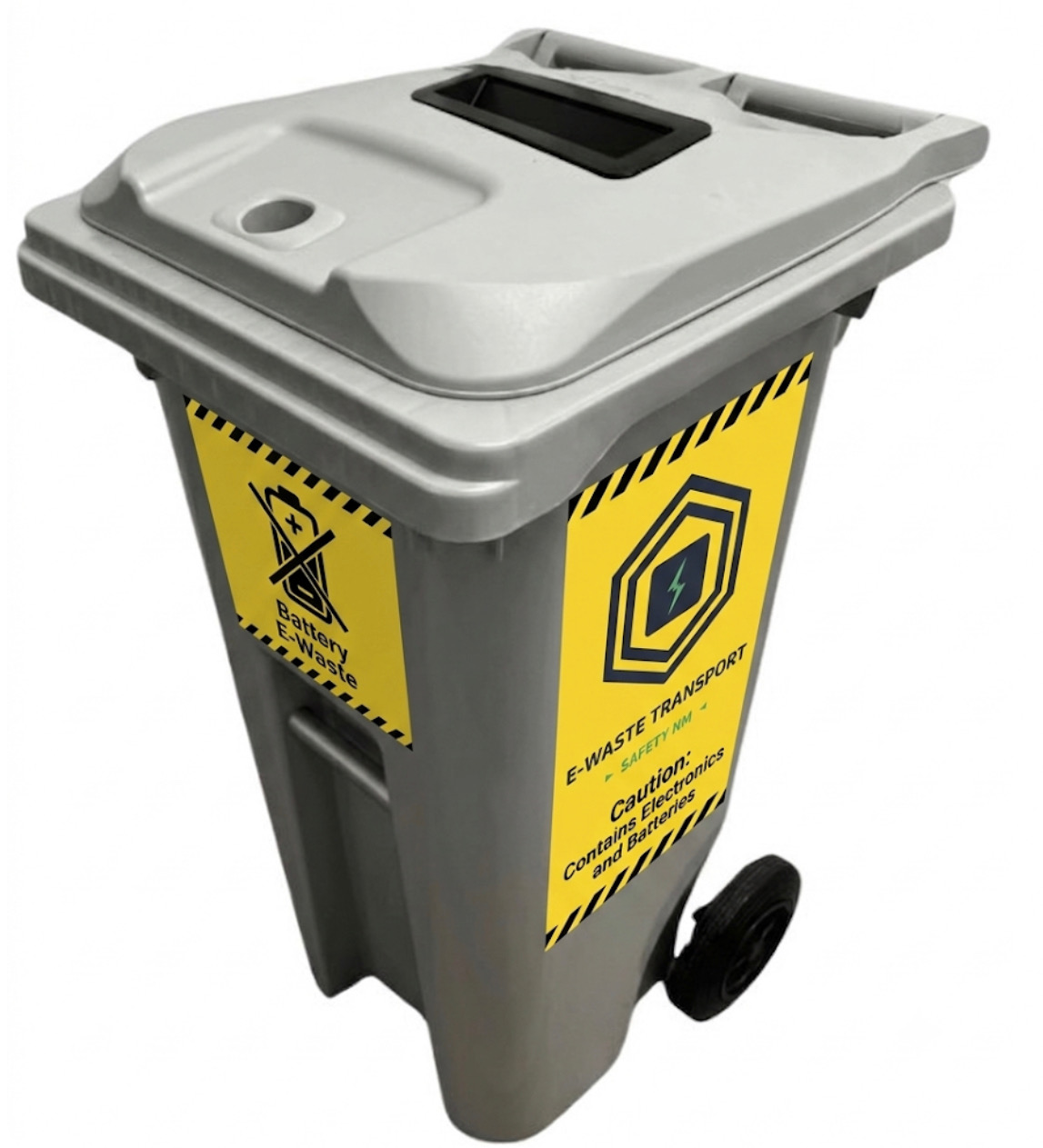
Controlled bins Restricted placement for offices, security areas, and disposal hubs.
Documented pickup Manifest tracking from campus loading areas to downstream facilities.
Regulated streams Separate handling for nicotine residue, lithium cells, plastics, and circuitry.
E-Waste Transport wheeled collection bin for battery and electronic waste
Field collection unit Fire-aware containment for campus device streams
The risk profile

Vape waste is not ordinary trash.

Chemical

Residual nicotine

E-liquid and cartridges can create hazardous residue concerns when tossed into general waste streams.

Thermal

Lithium battery events

Crushed or damaged devices require separation and controlled handling to lower fire exposure on campus.

Environmental

Metals and plastics

Circuitry, casings, and embedded components need responsible routing beyond standard recycling bins.

Service model

A closed-loop process built for schools.

The program is designed around the daily realities of educational facilities: limited disruption, clear responsibility, secure collection, and a clean record of what left the campus.

01

Site assessment

We identify collection points, restricted-access areas, pickup cadence, and storage constraints before bins arrive on campus.

02

Secure collection

Fire-retardant, puncture-resistant containers are placed in administrative, security, or controlled disposal areas.

03

Certified packaging

Compromised devices, lithium batteries, nicotine cartridges, and electronics are separated into appropriate material streams.

04

Safe transport

Manifested pickups move through documented chain-of-custody procedures with trained hazardous-material logistics staff.

05

Responsible processing

Waste is routed to licensed downstream partners for destruction, recycling, or compliant lifecycle handling.

Educational facilities

Designed for administrators, safety officers, and district operations.

E-Waste Transport gives school teams a practical way to keep confiscated device waste out of desks, closets, general trash, and uncontrolled recycling streams.
K-12 school districts Repeatable collection procedures across multiple campuses and departments.
Universities and colleges Pickup plans for security offices, residential life, facilities, and labs.
Private institutions Discreet handling for administrative teams that need clean documentation.
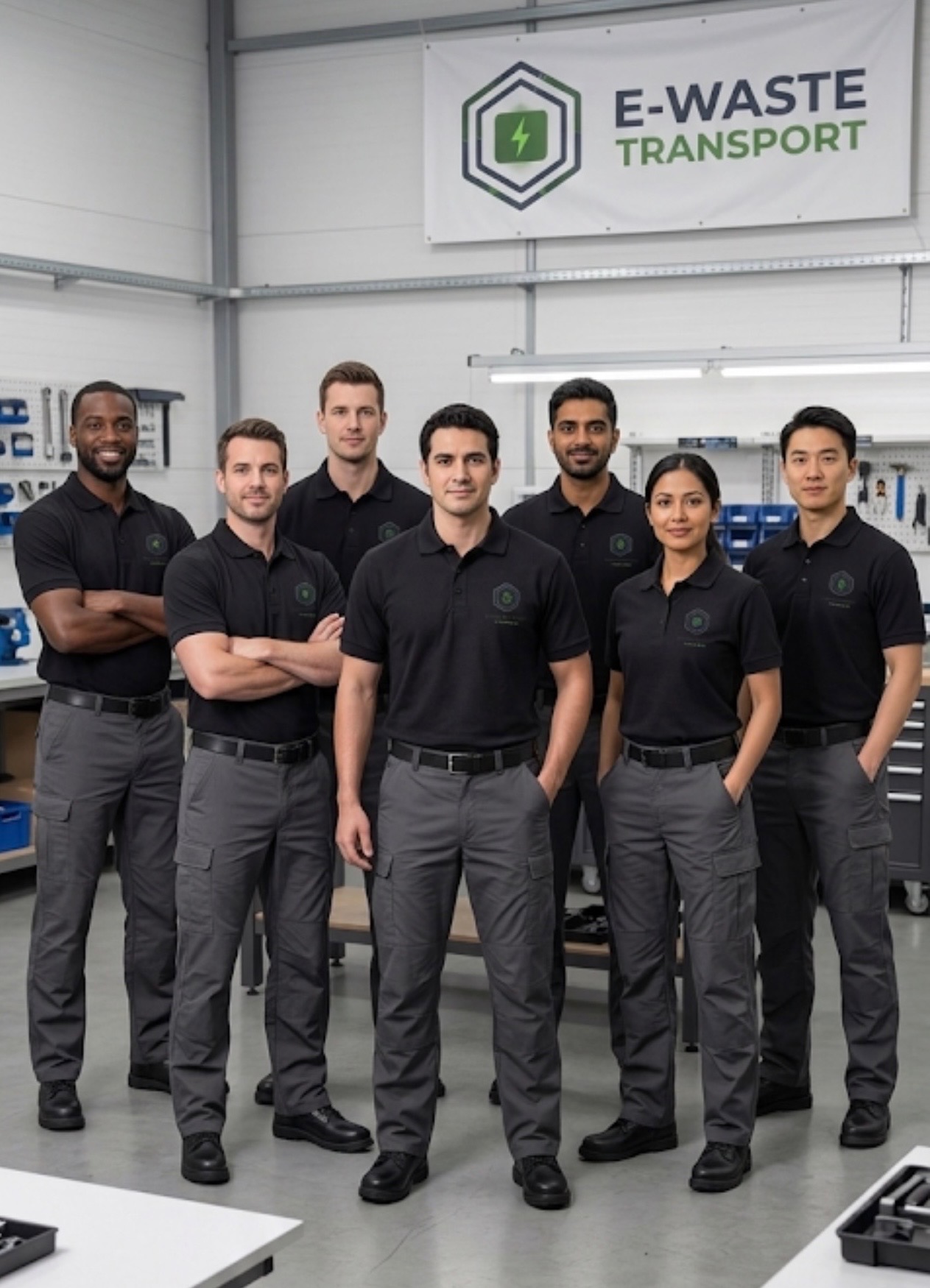
E-Waste Transport operations team in a facility
Compliance posture

Documentation-first handling from intake to downstream processing.

Safety NM procedures are shaped around EPA RCRA considerations, DOT hazardous-material transport controls, and New Mexico facility expectations for safer collection environments.

EPA RCRA alignment Generator status aware
DOT Title 49 controls Transport and packaging workflow
Chain of custody Manifest-based pickup records

Material handling matrix

Liquid nicotine and pods Chemical stabilization and compliant destruction for acute hazardous residues.
Lithium-ion batteries Non-conductive packing and downstream recovery of battery materials.
Circuitry and microchips E-waste processing for heavy-metal control and metals recovery.
Casings and plastics Separated polymer streams routed away from standard landfill disposal.
Field readiness

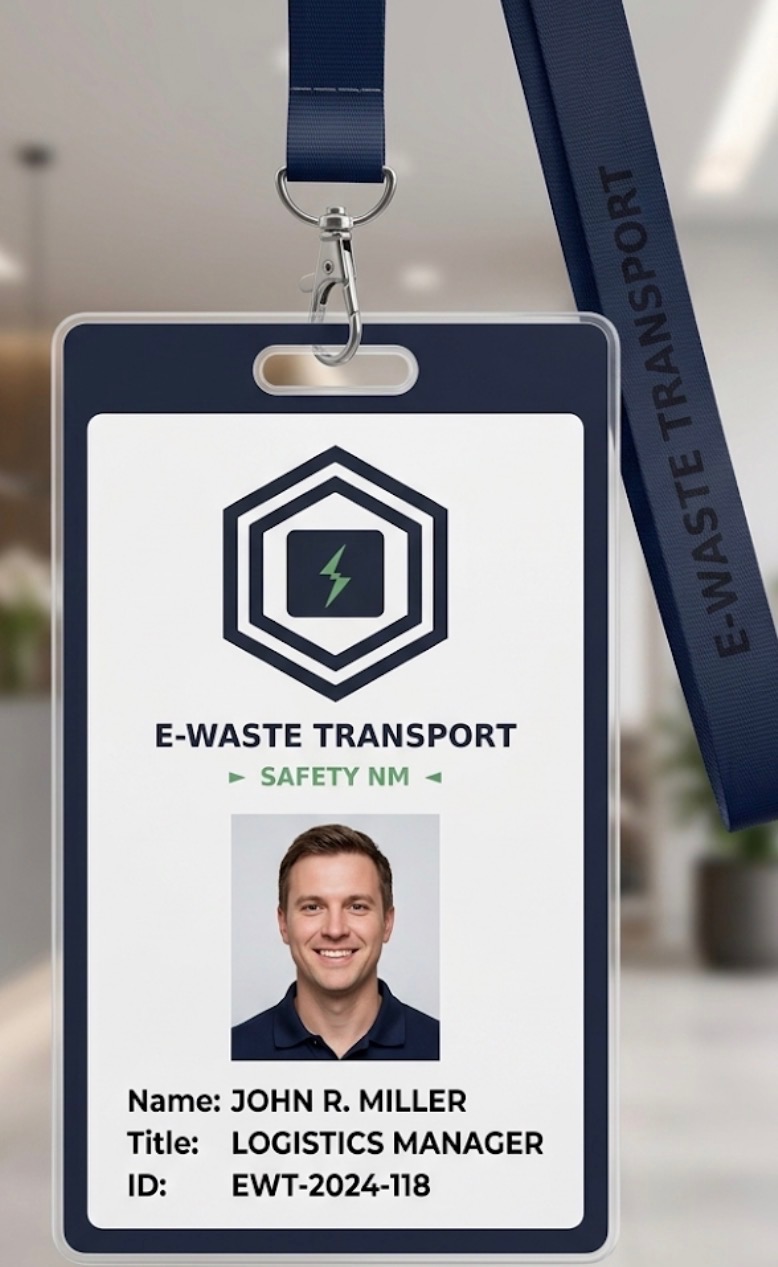
Marked vehicles. Identified staff. Clear pickup controls.

The visual system is intentionally direct: branded collection units, identifiable personnel, and vehicle markings that support trust at controlled campus access points.
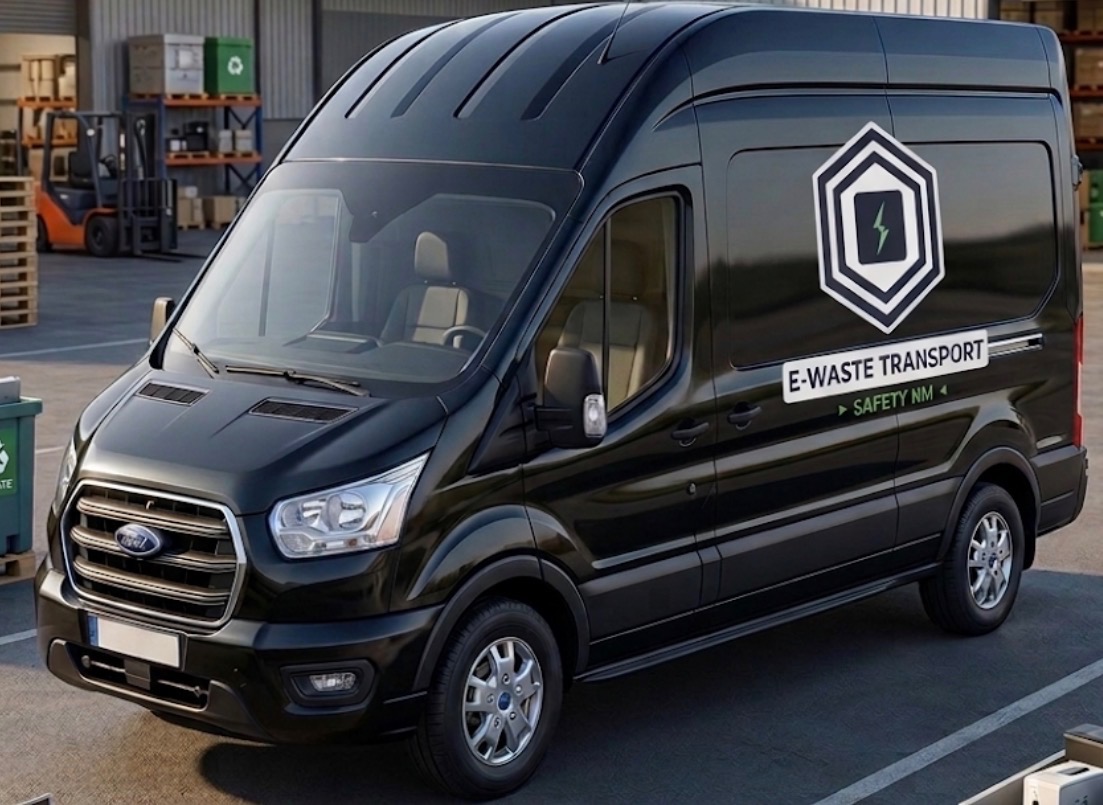
Branded E-Waste Transport vehicle
E-Waste Transport Safety NM identification badge E-Waste Transport leadership portrait
Start a pickup plan

Bring the waste stream under control.

Share the facility type, estimated device volume, and the current storage situation. The next step is a campus-specific collection and transport plan.

Include damaged devices, vape cartridges, batteries, or urgent safety concerns.